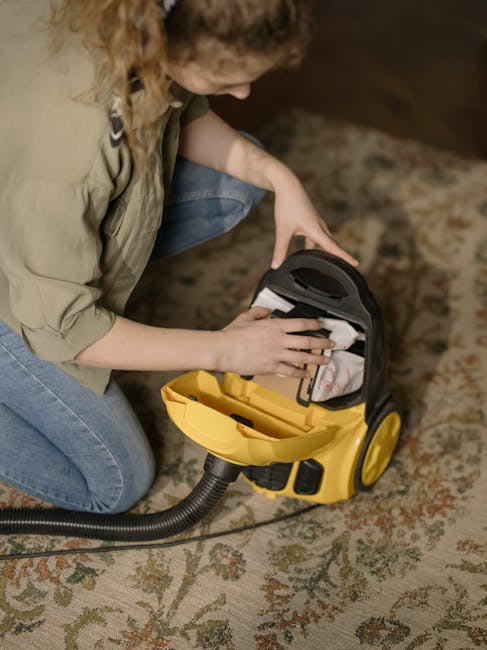
Orpington High Street carpet cleaning guide BR6
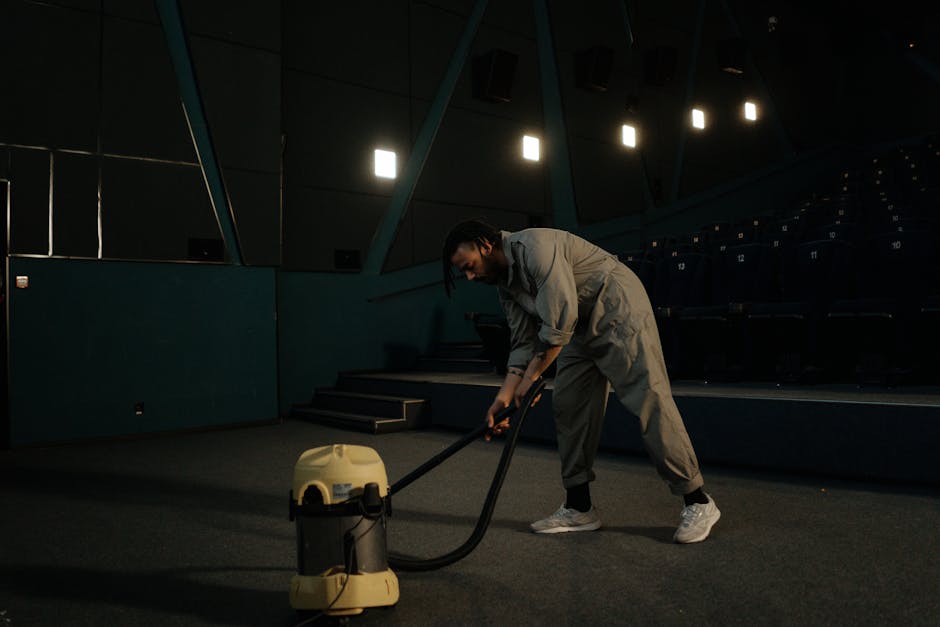
If you live, work, or shop around Orpington High Street, carpets take a real beating. Mud from wet pavements, coffee spills after a rushed morning, pet mess, and the general in-and-out of daily life all build up faster than people expect. This Orpington High Street carpet cleaning guide BR6 is here to make the process feel a lot less guessy and a lot more manageable. Whether you are trying to protect a home hallway rug, freshen up a busy flat, or sort out a commercial space that sees constant foot traffic, the right approach matters.
Below, you will find a practical walk-through of what carpet cleaning involves, how to decide between methods, what to avoid, and when to call in help. I will also cover sensible expectations for drying, stain treatment, upkeep, and trust signals that matter when choosing a local service. Nothing fluffy. Just the stuff that actually helps.
Why Orpington High Street carpet cleaning guide BR6 Matters
Carpet cleaning sounds straightforward until you are standing in a hallway with a stain that has already settled in, or trying to decide whether a quick vacuum is enough before guests arrive. In BR6, and especially around a busy stretch like Orpington High Street, carpets usually face a mix of grit, moisture, food debris, and occasional spillages that do not show up evenly. A carpet can look fine on the surface and still hold dust, odours, and embedded dirt underneath.
That matters for more than appearance. Clean carpets tend to feel better underfoot, help a room smell fresher, and reduce the build-up of grime that slowly wears down fibres. If you are managing a rental, a customer-facing premises, or a family home where life happens at speed, regular care can save hassle later. Truth be told, most carpet problems become expensive only after they are ignored for too long.
There is also a practical local angle. High streets bring more footfall, and footfall means more soil transfer. Even a small office, salon, or shop near the centre of Orpington can see carpets darken near entrances first. That is not a sign you have been careless. It is just what happens when dozens of shoes cross the same area day after day.
Expert summary: The best carpet cleaning approach in BR6 is usually the one that matches the carpet type, the level of soiling, drying time you can tolerate, and the exact setting, not just the biggest machine or strongest product.
If you want to compare specialist services while you read, the general carpet cleaning service page is a sensible place to start, and for heavier soil or traffic lanes, steam carpet cleaning is often the method people ask about first.
How Orpington High Street carpet cleaning guide BR6 Works
Good carpet cleaning is part preparation, part chemistry, part technique. In simple terms, you remove loose dirt first, then treat marks, then clean the fibres more deeply, and finally allow the carpet to dry in a controlled way. The exact process depends on the material, the backing, how old the stain is, and whether the carpet sits in a home or a commercial space.
Most professional-style cleaning follows a fairly logical sequence:
- Inspection. Check the fibre type, visible wear, stains, and any problem areas such as edges or stairs.
- Vacuuming. Remove dry soil before any moisture is introduced. This step is easy to rush, but it makes a difference.
- Pre-treatment. Apply the right solution to loosen oily grime, spot stains, and traffic build-up.
- Agitation where needed. Work the product into the pile gently so it reaches the fibres properly.
- Deep cleaning. Use the appropriate method, such as hot water extraction or another suitable approach.
- Rinse and recovery. Remove residue so the carpet does not feel sticky later.
- Drying. Improve airflow, keep walkways clear, and avoid putting furniture back too soon.
A lot of people think the magic is in the machine. It helps, of course. But the real result comes from choosing the right process for the carpet itself. A delicate wool blend and a synthetic office carpet are not the same job, not remotely. If you treat them as if they are, problems follow.
For readers who need a more service-specific option, stain removal support is worth considering when a mark is the main issue, while pet stain odour removal becomes more relevant when the problem is not just visible, but smells are lingering too.
Key Benefits and Practical Advantages
The benefits of carpet cleaning are obvious once you notice them, and a bit annoying because then you start spotting every dull patch in the room. Still, the gains are real.
- Improved appearance: Colours look brighter, pile looks more even, and the room feels cared for.
- Better indoor freshness: Dust, odours, and stale build-up are reduced when cleaning is done properly.
- Longer carpet life: Removing abrasive grit can help fibres wear more slowly.
- More comfortable spaces: Clean carpets simply feel nicer in homes, rentals, and customer areas.
- Stronger first impressions: Useful for reception areas, shop floors, letting properties, and guest spaces.
- Less reactive cleaning later: Regular maintenance usually means fewer emergency stain jobs.
There is also a small but meaningful practical advantage: once a carpet is clean, it is easier to notice new problems early. That matters if you are trying to keep a flat inspection-ready or make sure a business premises does not quietly drift into looking shabby. We have all seen that happen. One week it is "fine"; a month later it is suddenly "why does this hallway look tired?"
When you need broader home care, it can help to think beyond carpets alone. Curtains, sofas, and rugs often collect similar dust and odour issues. Matching those jobs together can make the whole room feel fresher. You can look at curtain cleaning, sofa cleaning, or rug cleaning if you are planning a fuller refresh.
Who This Is For and When It Makes Sense
This guide is useful for a few very different readers, and that is part of the point. Carpet cleaning on or near Orpington High Street is not only for big houses or serious stains.
- Homeowners who want a fresher, healthier-feeling home and fewer visible marks.
- Renters preparing for an end-of-tenancy clean or trying to protect a deposit.
- Landlords and letting agents who need carpets presentable between occupiers.
- Business owners with reception areas, meeting rooms, or customer-facing flooring.
- Pet owners dealing with lingering odours, hair, or the occasional accident.
- Families managing snacks, muddy shoes, children, and everything else that lands on a floor.
It makes sense to book professional help when the carpet has deep staining, smells, general dullness, or a texture that no amount of vacuuming seems to improve. It also makes sense if you do not want to risk over-wetting the pile or using the wrong product. That is one of those jobs that looks simple right up until it is not.
If you are running a premises with regular public traffic, commercial carpet cleaning is often more appropriate than a domestic clean because the wear pattern, scheduling, and hygiene expectations are different. A retail entrance at 9am on a wet Tuesday. Very different to a living room, obviously.
Step-by-Step Guidance
Here is a practical way to approach carpet cleaning without making it more complicated than it needs to be.
1. Look at the carpet honestly
Check the traffic zones, corners, and any obvious staining. Ask yourself whether the issue is surface dust, embedded soil, odour, or a specific spill. If you are unsure what the fibres are, be cautious. Certain carpets are more delicate than they look.
2. Vacuum slowly and thoroughly
Go slower than you think you need to. Fast vacuuming often only skims the top. Pay attention to edges, under furniture where possible, and the path people walk most often. The front room and hallway usually tell the story first.
3. Test spot treatments in a hidden area
Before using any product, test it somewhere discreet. This helps reduce the risk of colour loss or texture change. A tiny test is far cheaper than replacing a patch later. No one wants that surprise.
4. Treat stains by type
Water-based marks, oily marks, and pet-related stains all behave differently. Blot, do not scrub. Scrubbing tends to spread the issue and roughen the pile. For more stubborn marks, a proper stain removal approach is usually safer than trying random household mixtures.
5. Choose the right deep-clean method
For many carpets, hot water extraction or steam-style cleaning is effective because it reaches deeper into the fibres. For others, lower-moisture methods or targeted spot cleaning may be better. More moisture is not automatically better. In fact, sometimes it is the opposite.
6. Allow proper drying time
Drying is part of the clean. Open windows if weather and security allow, use airflow, and avoid heavy foot traffic until the carpet is ready. A damp carpet in a closed room can start to smell musty, which is exactly what you are trying to avoid.
7. Reassess after drying
Once dry, check whether any marks have reappeared, especially from old spills that may have wicked back up. If needed, a second targeted treatment may be better than a full repeat clean.
One small real-world note: if a carpet has a hidden spill that only shows once it dries, that does not always mean the clean has failed. Sometimes the stain was deeper than the surface and has simply travelled back up. Frustrating, yes. But common enough.
Expert Tips for Better Results
These are the details people often miss, and they matter more than the dramatic stuff.
- Work from the outside of a stain inward so it does not spread.
- Use less product than you think unless the instructions clearly say otherwise. Overuse leaves residue.
- Prioritise drying airflow over heat alone. Warmth without movement can be underwhelming.
- Clean high-traffic lanes more frequently than low-use areas. Hallways and entrances age faster.
- Lift furniture where safe before cleaning if you want a more even finish. Just be careful with heavy pieces.
- Deal with spills quickly while they are still fresh. Five minutes now can save an hour later.
Another useful tip is to treat the whole carpet, not just the stain. If you only clean a single mark, you can sometimes end up with a cleaner spot surrounded by a dull area. Not ideal. A balanced approach usually looks better, especially in natural daylight.
If odour is part of the issue, especially with pets or damp shoes during wet weather, a combined approach may be better than surface deodorising. In that case, pet stain odour removal can be more effective than simply masking the smell.
Common Mistakes to Avoid
Carpet cleaning mistakes are often ordinary, which is why they keep happening. Here are the ones that cause the most trouble.
- Using too much water. This can lead to slow drying, wick-back, and a lingering damp smell.
- Rubbing stains hard. That usually pushes the mark deeper and damages the pile.
- Skipping vacuuming first. Dirt left in the carpet turns into muddy residue once moisture is added.
- Mixing random products. Household chemicals are not a creative experiment. Better not.
- Ignoring fibre type. What works on a synthetic carpet may be wrong for wool or blends.
- Putting furniture back too soon. Legs can leave marks or transfer rust, dye, or moisture.
- Expecting one treatment to solve everything. Old stains often need patience and follow-up.
A subtle mistake, and one I see people make a lot, is cleaning only the visible stain and not the pathway leading to it. If the surrounding area is equally dirty, the stain will still stand out. It is a bit like washing one plate and leaving the whole sink full. You know the feeling.
If your carpets are part of a larger refresh, it can also be worth looking at upholstery cleaning or mattress cleaning so the whole room feels consistently fresh rather than half-done.
Tools, Resources and Recommendations
You do not need a massive kit to get started, but the right tools make a noticeable difference. For basic maintenance, a good vacuum cleaner with decent suction, clean white cloths, and a suitable spot treatment are the essentials. For deeper cleaning, it helps to understand what the equipment is actually doing.
- Vacuum cleaner: Remove dry debris before any wet process.
- Microfibre cloths or white towels: Useful for blotting without transferring colour.
- Soft brush: Helps lift fibres gently after spot treatment.
- Protective gloves: Sensible when handling cleaning products.
- Airflow tools: Fans or open windows can help drying if conditions are right.
- Appropriate carpet cleaner: Choose one that matches the carpet type and stain type.
For people who prefer to hand the whole job over, the practical next step is usually to request a quote and compare it against the time and effort of doing it yourself. The pricing and quotes page is helpful if you want to understand how a service may be structured before deciding. If you are worried about how a provider handles transactions, payment and security is worth checking too.
If you are interested in whether the business itself seems transparent and well-run, take a look at the about us page, and if you value environmental care, the recycling and sustainability information can be reassuring. Small details, but they tell you a lot.
Law, Compliance, Standards, or Best Practice
For most readers, the main concern is not legal jargon. It is whether the cleaning is carried out safely, sensibly, and with respect for the property. That said, there are some broad UK best practices worth keeping in mind.
Professional cleaning should be handled with care around slip risk, product use, ventilation, and electrical safety. If work is being done in a business setting, especially where staff or customers may walk through during or shortly after cleaning, dry-time management matters. Wet floors and loose cables are a bad mix, and nobody wants a preventable incident because someone was in a hurry.
It is also sensible to work with a provider that has clear safety and insurance information, especially where furniture is being moved or work is carried out in occupied premises. You can review the relevant details on the site's insurance and safety page and the health and safety policy page if you want a clearer sense of their working standards.
For customers with accessibility needs, it is also reasonable to check how a company handles communication and access arrangements. If that matters to you, the accessibility statement may be useful. And if you ever need to understand how issues are handled, the complaints procedure shows whether a business is prepared to deal with concerns properly rather than shrugging them off. Which, let's face it, some do.
On privacy and data handling, a clear privacy policy is a basic sign of a business taking customer information seriously. It is not glamorous, but it matters.
Options, Methods, or Comparison Table
Choosing a carpet cleaning method is easier once you compare the trade-offs side by side. The best option depends on the fabric, the level of dirt, and how quickly the room needs to be back in use.
| Method | Best for | Strengths | Things to watch |
|---|---|---|---|
| Vacuum-only maintenance | Light dust and routine upkeep | Fast, cheap, useful between deeper cleans | Will not remove deep soil or stains |
| Spot cleaning | Fresh spills and isolated marks | Targeted, quick, low disruption | Can leave tide marks if not blended properly |
| Hot water extraction / steam-style cleaning | Embedded dirt, general refresh, traffic lanes | Deep clean, strong soil removal, useful for many carpets | Drying time needs planning |
| Low-moisture cleaning | Quicker turnaround, some commercial settings | Faster drying, less disruption | May be less effective on heavy soiling |
| Specialist stain treatment | Tough marks, pet issues, older spots | Better for problem areas than generic cleaning | Results vary with stain age and fibre type |
For many homes around BR6, the sweet spot is a mix of regular vacuuming, fast spot treatment, and deeper cleaning at sensible intervals. For a business premises, the balance may lean toward methods that dry faster and minimise downtime. There is no one-size-fits-all answer, despite what some ads imply.
Case Study or Real-World Example
Here is a realistic example based on the kind of situation people around busy local streets often face. A small ground-floor office near Orpington High Street has a pale carpet in the entrance and corridor. After a winter of wet shoes, the front section looks darker, a bit tired, and the smell near the doorway is not as fresh as it should be by late afternoon.
The first instinct is usually to focus only on the visible entrance strip. That helps a little, but it rarely solves the whole issue. In this kind of setting, a better plan is to inspect the traffic pattern, vacuum thoroughly, pre-treat the heaviest lanes, and then clean the full walkway so the finish is consistent. Drying time matters too, because staff still need to move through the area without slipping or creating new marks.
Afterwards, the carpet feels cleaner underfoot, the entrance looks less patchy, and the room no longer gives that slightly stale "been a long week" impression. Nothing dramatic. Just better. And honestly, that is often what people want most.
For a home scenario, imagine a family hallway where muddy trainers, a pushchair wheel, and a splash from a hallway drink all leave their own little signature. A focused approach works, but if the carpet is already dull overall, a deeper clean makes the result much more satisfying. That is where a service like carpet cleaning becomes more than cosmetic; it resets the room.
Practical Checklist
Use this before you start or before you book someone in. It saves time and avoids the usual "I should have checked that" moment.
- Identify the carpet type if you can.
- Vacuum thoroughly before any wet cleaning.
- Check stains for age, colour, and smell.
- Test any product in a hidden spot.
- Decide how much drying time you have available.
- Move light furniture out of the way where safe.
- Protect nearby skirting boards and electrical items.
- Keep pets and children off the area while it dries.
- Use airflow to speed drying where practical.
- Review the result once the carpet is fully dry.
If you are booking a service, it is also sensible to check the terms and conditions so you know what is included, how access works, and whether there are any site-specific expectations. That is just basic good sense.
Get a free quote today and see how much you can save.
Conclusion
A good carpet cleaning plan for Orpington High Street and the wider BR6 area is not about chasing the fanciest method or the strongest product. It is about matching the clean to the carpet, the room, the traffic, and the drying time you can realistically manage. Do that well, and you get a fresher-looking space, fewer stubborn smells, and a floor that lasts longer before it starts to look worn.
If you remember only one thing, make it this: small, regular care beats last-minute panic almost every time. A bit of attention now saves a lot of stress later. Nice and simple.
And if the job feels bigger than a quick DIY refresh, that is perfectly normal. Some carpets just need proper help, plain and simple.
For a cleaner, calmer space in BR6, the next step is often the easiest one.
Frequently Asked Questions
How often should carpets on Orpington High Street be cleaned?
It depends on traffic, pets, children, and whether the carpet is in a home or business. Busy areas usually need deeper cleaning more often than low-use rooms, while regular vacuuming should always happen in between.
Is steam cleaning safe for all carpets?
No, not automatically. Steam-style cleaning works well for many synthetic carpets, but some wool or delicate fibres need a different approach. Always check the carpet type first and test carefully if you are unsure.
What is the difference between stain removal and carpet cleaning?
Carpet cleaning focuses on the overall carpet condition, including dirt, odour, and general freshness. Stain removal targets a specific mark or problem spot. Often the two are used together for the best result.
How long does a carpet usually take to dry?
Drying time varies with the cleaning method, airflow, temperature, and how much moisture was used. Some carpets dry fairly quickly, while others need much longer. Good ventilation makes a real difference.
Can carpet cleaning help with pet smells?
Yes, especially if the smell is coming from residue in the fibres rather than just the surface. For stronger odours, a more targeted approach such as pet stain odour removal is often the better choice.
Should I vacuum before a professional clean?
Usually, yes. Removing loose dirt first helps the deeper cleaning process work more effectively. It is a small step, but it improves the end result more than people expect.
What carpet cleaning method is best for commercial premises?
That depends on footfall, opening hours, and how quickly the area needs to be used again. Commercial settings often need a balance between deep cleaning and fast drying, which is why a tailored approach is better than guessing.
Will carpet cleaning remove every stain?
Not always. Some stains are permanent, some have set deep into the fibres, and some have already damaged the material. A good clean can improve appearance a lot, but it is best to be realistic rather than promise miracles.
Is it worth cleaning carpets in a rental before moving out?
In many cases, yes. A cleaner carpet can help the property look better during handover and reduce avoidable disputes about condition. It is one of those jobs that can make the whole move feel less chaotic.
How do I choose a carpet cleaner I can trust?
Look for clear service information, transparent pricing, safety and insurance details, and a sensible complaints process. The about us, insurance and safety, and pricing and quotes pages can help you judge whether a provider is straightforward and professional.
Can I clean upholstery and carpets at the same time?
Yes, and it often makes sense if the room needs a fuller refresh. Sofas, rugs, and other soft furnishings collect similar dust and marks, so pairing services can create a more even result across the whole space.
What should I do if a stain comes back after drying?
That can happen when a mark has wicked up from deeper in the pile or underlay. It is frustrating, but not unusual. A follow-up treatment focused on the original stain source may be needed rather than a full repeat clean.